How to Mix and Match Furniture Styles Like a Pro
Learn the art of mixing and matching furniture styles to create a cohesive and unique interior design. Get tips on blending different decor aesthetics seamlessly.
1. Know Your Core Style
Before you start adding pieces from different time periods or aesthetics, establish a clear foundation. Choose one furniture style— like mid-century modern, or classic traditional—as your base. This helps ground the room and gives you a framework to build around. From there, you can layer in accent pieces from other styles while still maintaining design cohesion.
Pro tip: Think of your core style as the “main character” and everything else as supporting cast members.
2. Create a Balanced Color Palette
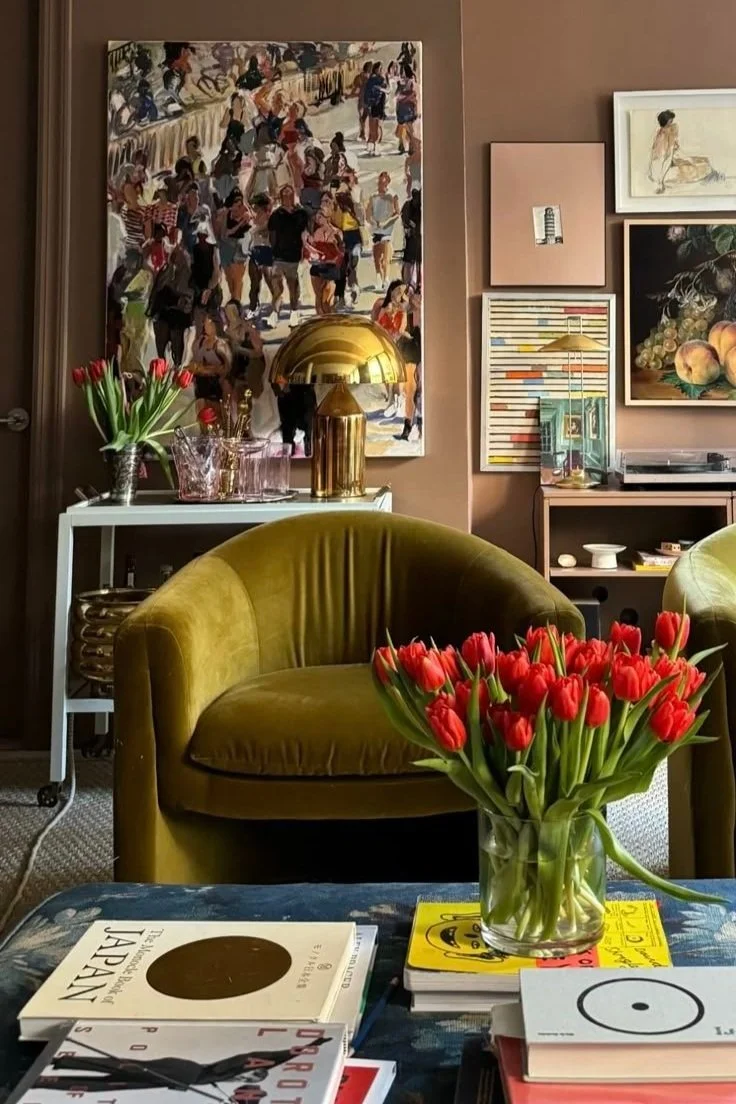
When mixing furniture styles, color becomes one of your most powerful tools. Choose a cohesive palette with 2–3 main colors and maybe one or two accents. This consistency across your furniture and decor allows very different styles to feel like they belong together.
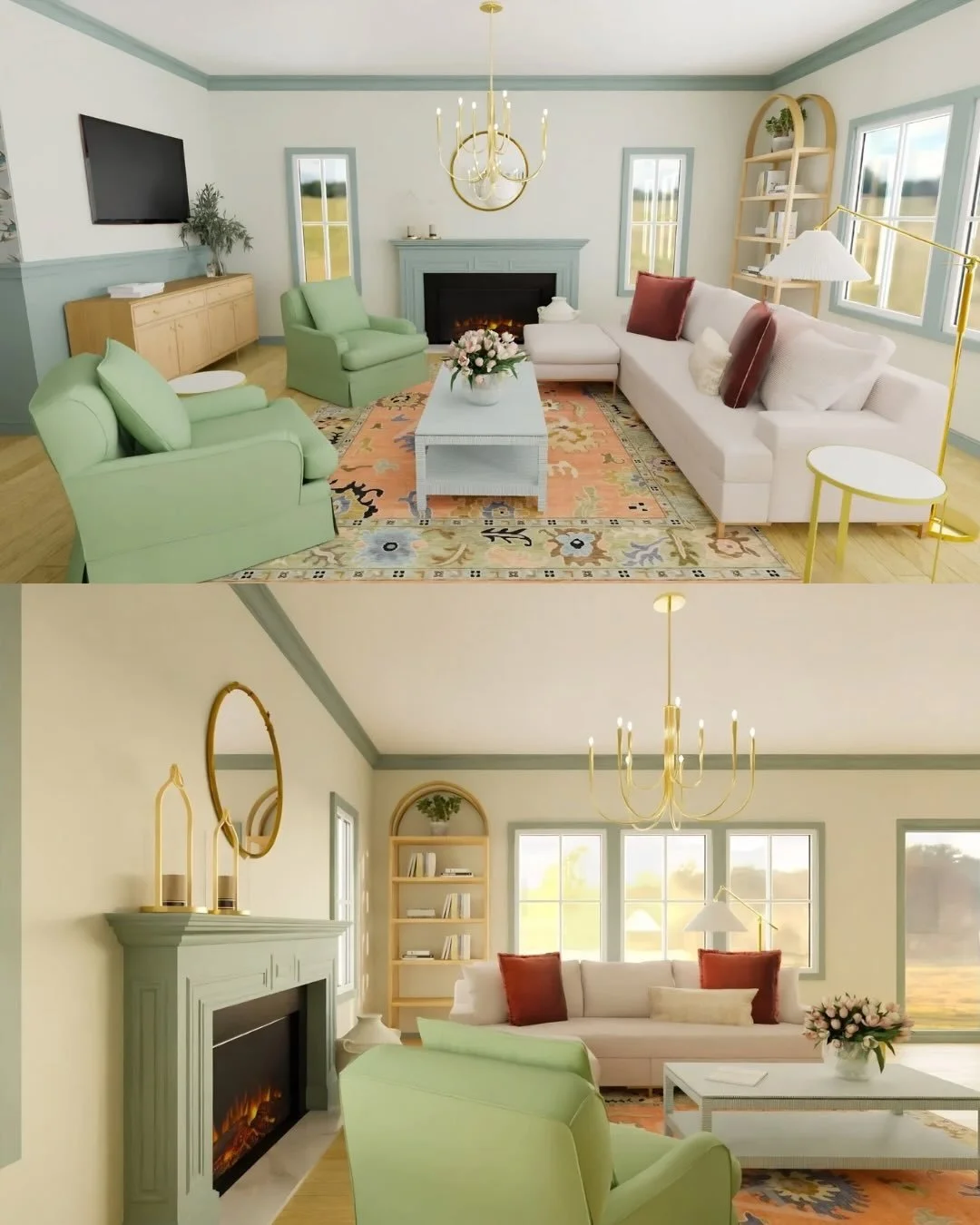
For example: A vintage velvet chair in deep green can pair beautifully with a modern black metal side table—if both connect to a broader color scheme used in the space.
3. Play with Shapes and Textures
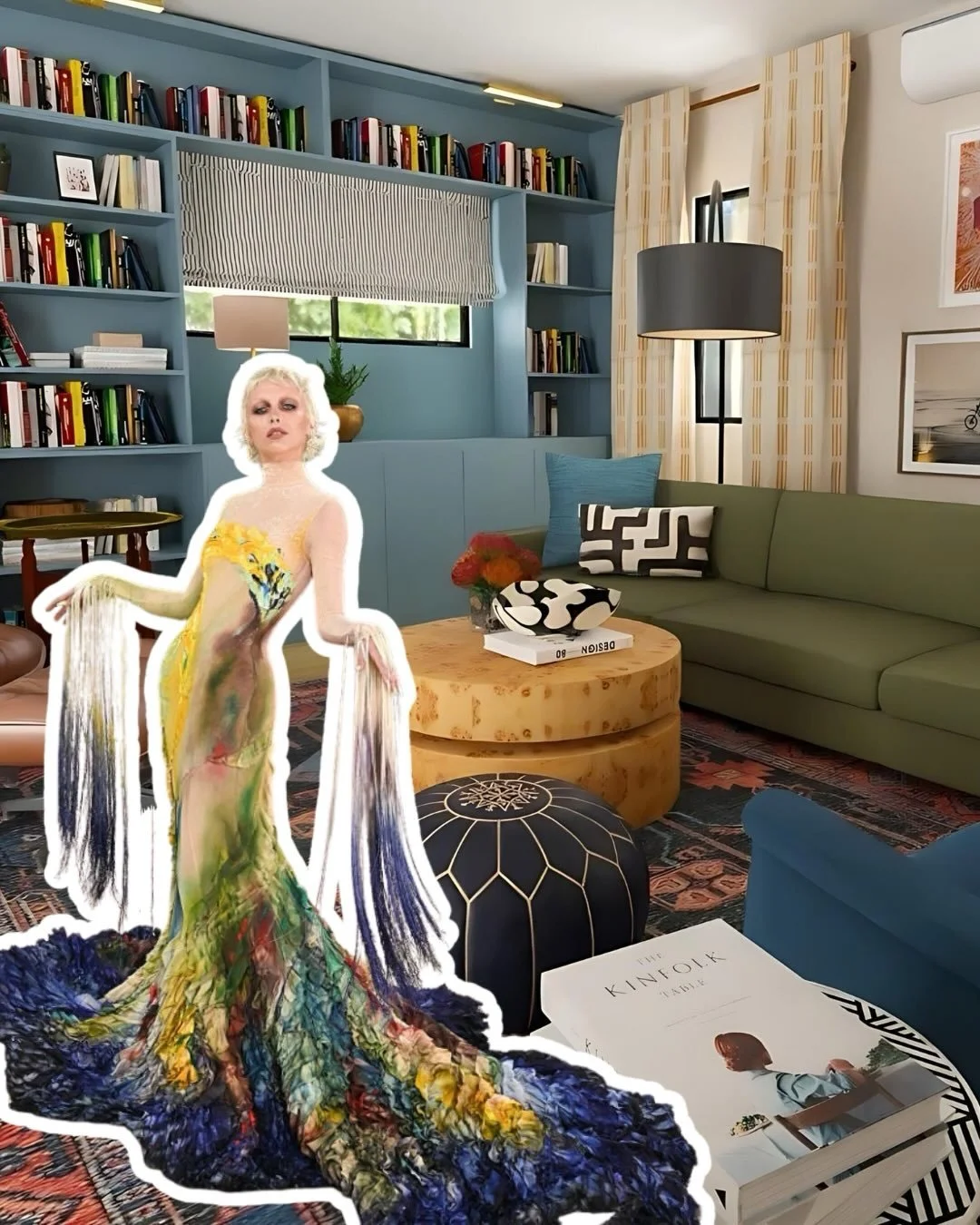
Furniture blending isn’t just about mixing eras—contrast in shape and texture is equally important. Try pairing a sleek glass-top dining table with woven cane chairs, or a tufted velvet sofa with a rough-hewn wood coffee table. These combinations bring visual interest and dimension to your room.
Just don’t go overboard—contrast works best when balanced. If one piece is ornate or bold, let others be simpler to avoid overwhelming the space.
4. Repeat Elements for Cohesion
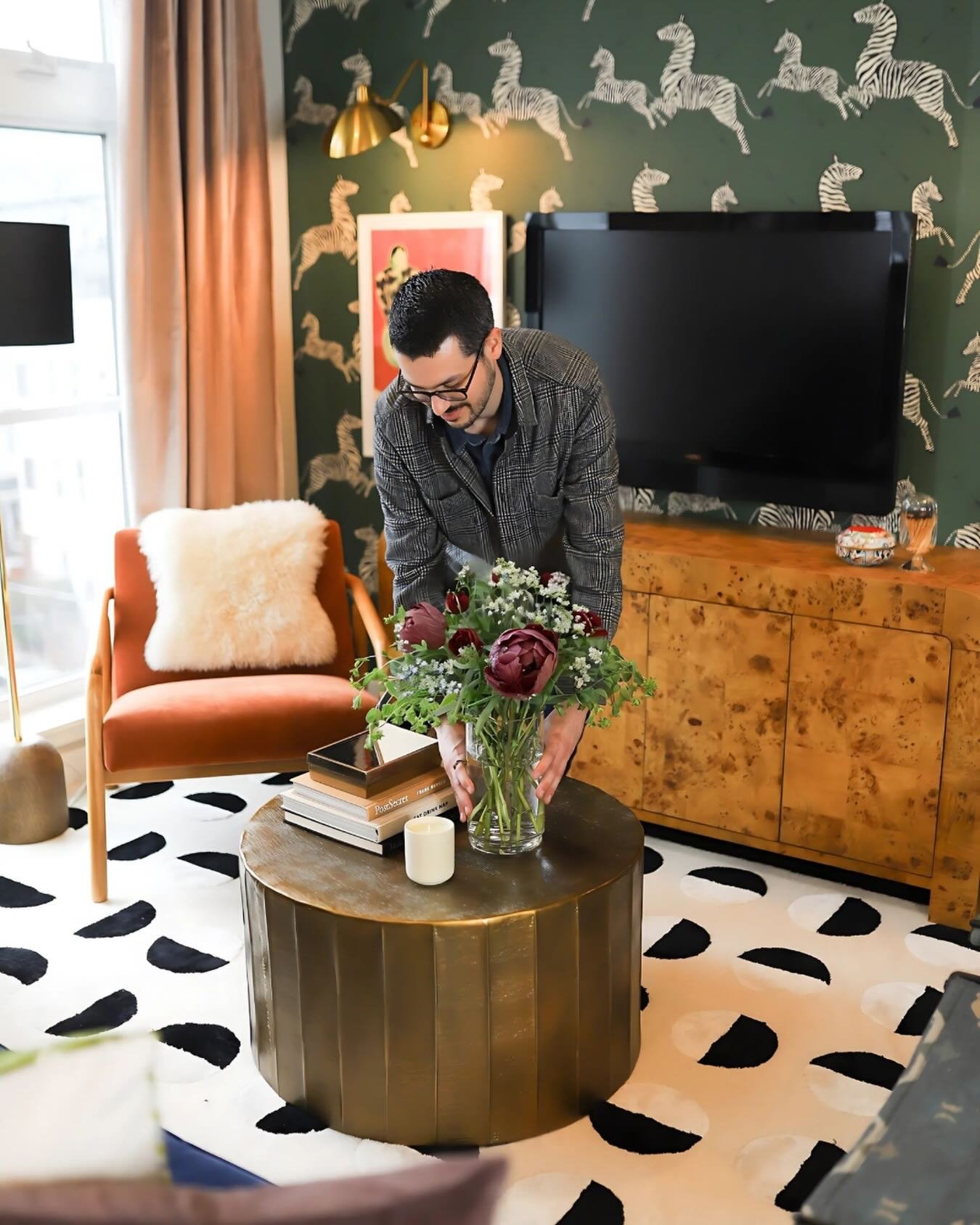
Even in eclectic decor, some repetition is key. Try to echo certain materials, finishes, or motifs throughout the room. This might mean using brass hardware on multiple pieces or repeating a particular wood tone in both a table and shelving unit.
These repeating elements act like visual glue, subtly tying together very different furniture styles into one harmonious whole.
5. Highlight Statement Pieces
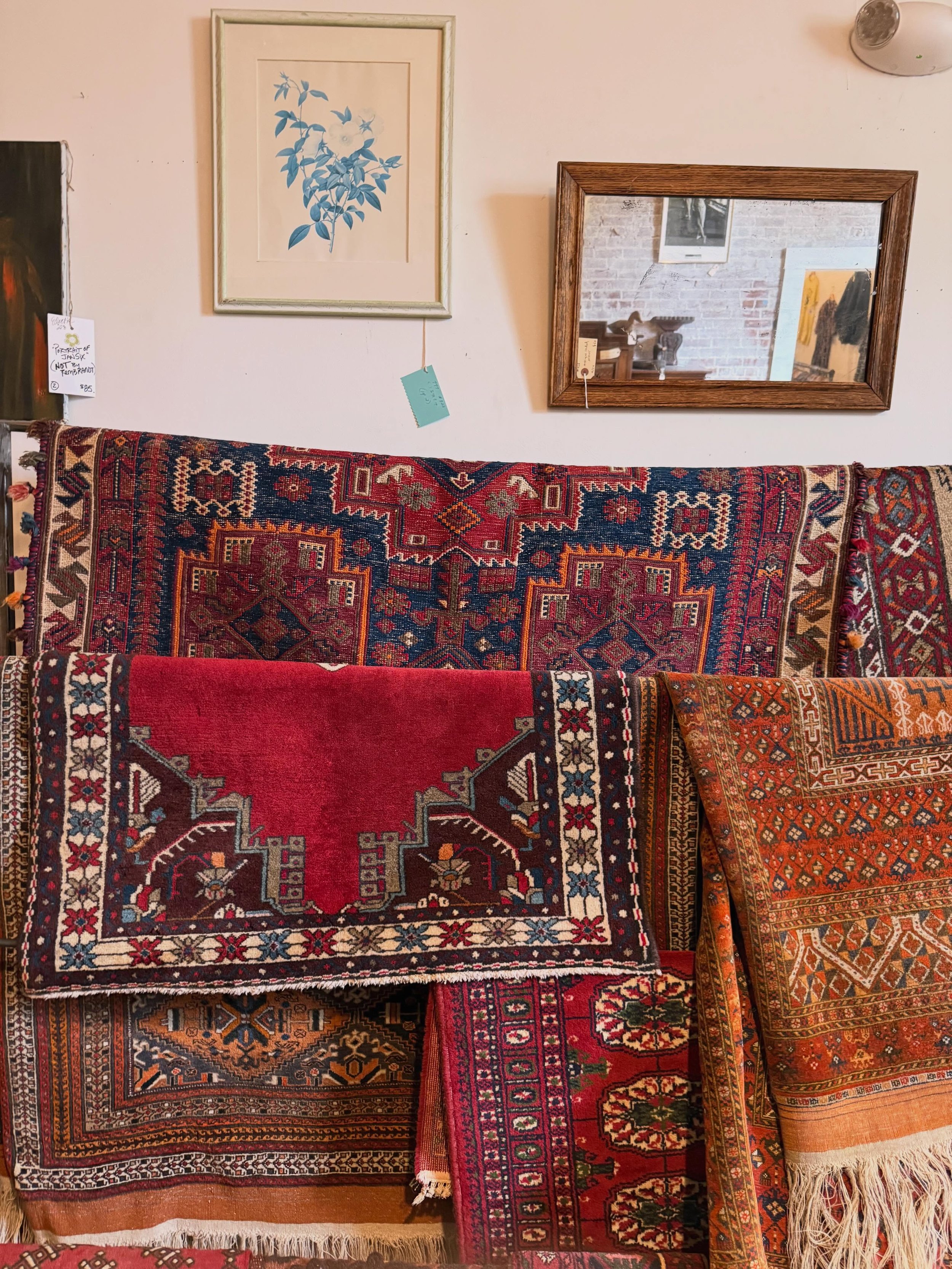
Let your most unique or bold pieces take the spotlight. Whether it’s a sculptural armchair, a vibrant vintage rug, or a dramatic light fixture, choose 1–2 items that stand out and build your mix and match look around them. This creates a sense of intention and avoids the room feeling cluttered or mismatched.
Statement pieces should draw the eye, while the rest of the furniture supports them in both style and color.
Final Thoughts
By following these five steps, you’ll master the art of furniture blending—creating spaces that feel intentional, stylish, and uniquely you. Whether you lean modern, vintage, boho, or somewhere in between, mixing furniture styles can lead to some of the most dynamic and personal interiors out there.
Need a bit of assistance? Let's begin the conversation about your design dilemmas and dreams by scheduling a free introductory call.

Follow along on Instagram